
Understanding Mold Colors: What Different Shades Indicate in Your Home?
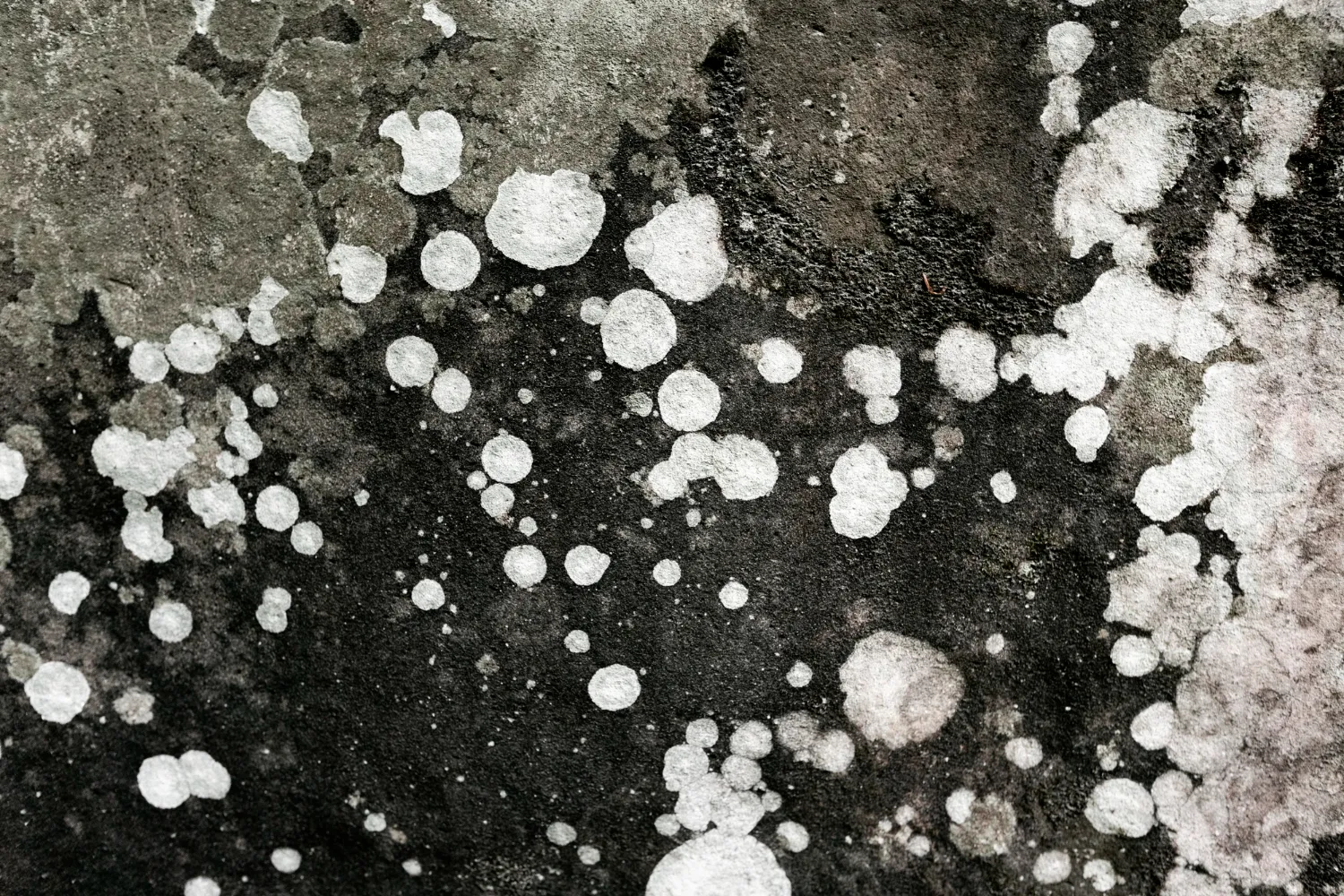
Mold isn’t just an eyesore, it’s a sign of a deeper issue in your home that shouldn’t be ignored. While all mold types can be problematic, the color of mold may offer clues about what’s growing behind your walls, under your carpet, or in your bathroom grout. From black mold to bathroom pink mold, understanding mold colors can help you act fast and protect your home and health.
Let’s explore what different mold shades mean, why mold color matters, and what you can do about it.
Why Mold Color Matters
Mold is a type of fungus that thrives in moist, warm environments. The color of mold you see isn’t just cosmetic, different colors may indicate different species, toxicity levels, and moisture conditions. Understanding the mold shape, texture, and color can help professionals determine the type of mold and the urgency of remediation.
While color alone doesn’t tell the full story, it provides a helpful visual cue to what may be growing in your home. Let’s dive into the most common mold colors and what they often indicate.
Common Mold Colors and What They Indicate
Black Mold
Black mold is perhaps the most notorious. Often associated with Stachybotrys chartarum, it’s known for potentially producing harmful mycotoxins. This mold tends to grow in areas with consistent moisture, like behind walls with water leaks or in poorly ventilated bathrooms. If you suspect black mold, call a professional immediately, it’s not worth taking chances.
Green Mold
Mold green color is commonly found on food, walls, and damp wood. This color could point to Aspergillus or Cladosporium, both of which can affect air quality and trigger allergic reactions. Green mold is often fuzzy or powdery in texture and can spread quickly in humid environments.
White Mold
White mold often looks like a powdery or fluffy substance and is easy to mistake for mildew or salt residue. It’s commonly found on basement walls, wood, or stored items. While it might appear less threatening, it can still cause structural damage and respiratory issues if not removed promptly.
Yellow Mold
Yellow mold may resemble slime or crust and typically grows on organic materials like wood, paper, or food. Some yellow molds, like Serpula lacrymans, are particularly aggressive in wood decay. Don’t let the sunny color fool you, yellow mold can silently destroy building materials.
Blue/Green Mold
Often appearing on spoiled food or in damp bathroom corners, this mold is typically from the Penicillium genus. While some Penicillium species are used to make antibiotics, indoor exposure isn’t healthy. It’s commonly found on water-damaged materials, including insulation and drywall.
Pink/Red Mold
If you’ve ever seen a mold pink or reddish film on your shower curtain or sink, you’re likely looking at Serratia marcescens, a bacteria often mistaken for mold. Still, it thrives in the same moist conditions. Bathroom pink mold may not be as toxic, but it can lead to infections, especially in people with compromised immune systems.
Orange Mold
Mold orange color appears slimy and often grows in bathrooms or around kitchen sinks. It’s usually found in areas with standing water or high humidity. While not typically toxic, orange mold can be unsightly and tough to remove due to its stubborn biofilm.
Mold Color vs. Mold Toxicity: Don’t Judge by Color Alone
While color gives clues, types of mold in homes can’t be identified by color alone. Toxic molds come in various shades, and harmless molds can look alarming. A professional mold inspection is the only way to accurately assess the species and determine if it poses health risks.
Surface mold might seem minor, but it can be the tip of the iceberg. Mold can grow behind walls, beneath floors, and inside HVAC systems, so don’t ignore even small patches.
What to Do if You Discover Mold
If you discover any mold – black, white, green, or brown mold in bathroom tiles, act fast:
- Don’t disturb the area, this can release spores into the air.
- Avoid DIY for large infestations, especially with black or unknown mold.
- Call certified mold remediation professionals, like Lightning Restoration, to inspect and safely remove mold from your home.
- Document the mold (photos, notes) for insurance or inspection purposes.
Prevention Tips Based on Mold Types
Preventing mold starts with moisture control. Here’s how to stay ahead of common household molds:
Humidity Control
- Use dehumidifiers in basements and bathrooms.
- Ensure good ventilation in bathrooms, kitchens, and laundry rooms.
- Maintain indoor humidity below 50%.
Leak Detection & Waterproofing
- Fix plumbing leaks immediately.
- Seal basement walls and floors to prevent moisture seepage.
- Regularly inspect under sinks, behind toilets, and around windows.
HEPA Air Filtration
- Install HEPA filters in your HVAC system to trap mold spores.
Use portable air purifiers in high-risk rooms.
Mold-Resistant Paints & Materials
- Apply mold-resistant paint in bathrooms and basements.
- Use mold-resistant drywall and insulation during renovations.
- Choose solid-surface materials (like quartz) that resist mold growth.
Final Thoughts
Understanding mold colors is more than just a visual concern, it’s a step toward safeguarding your home and health. Whether it’s mold green color on drywall, mold pink around your bathtub, or mold orange color in your kitchen, don’t ignore what you see. Mold is a type of problem that gets worse the longer it’s left untreated.
At Lightning Restoration, we specialize in identifying and removing all types of mold in homes, from black mold to surface mold. If you’ve discovered mold in your home or just want peace of mind, contact us today for professional mold inspection and remediation services.