
How to Prevent Mold Growth During the Winter Months
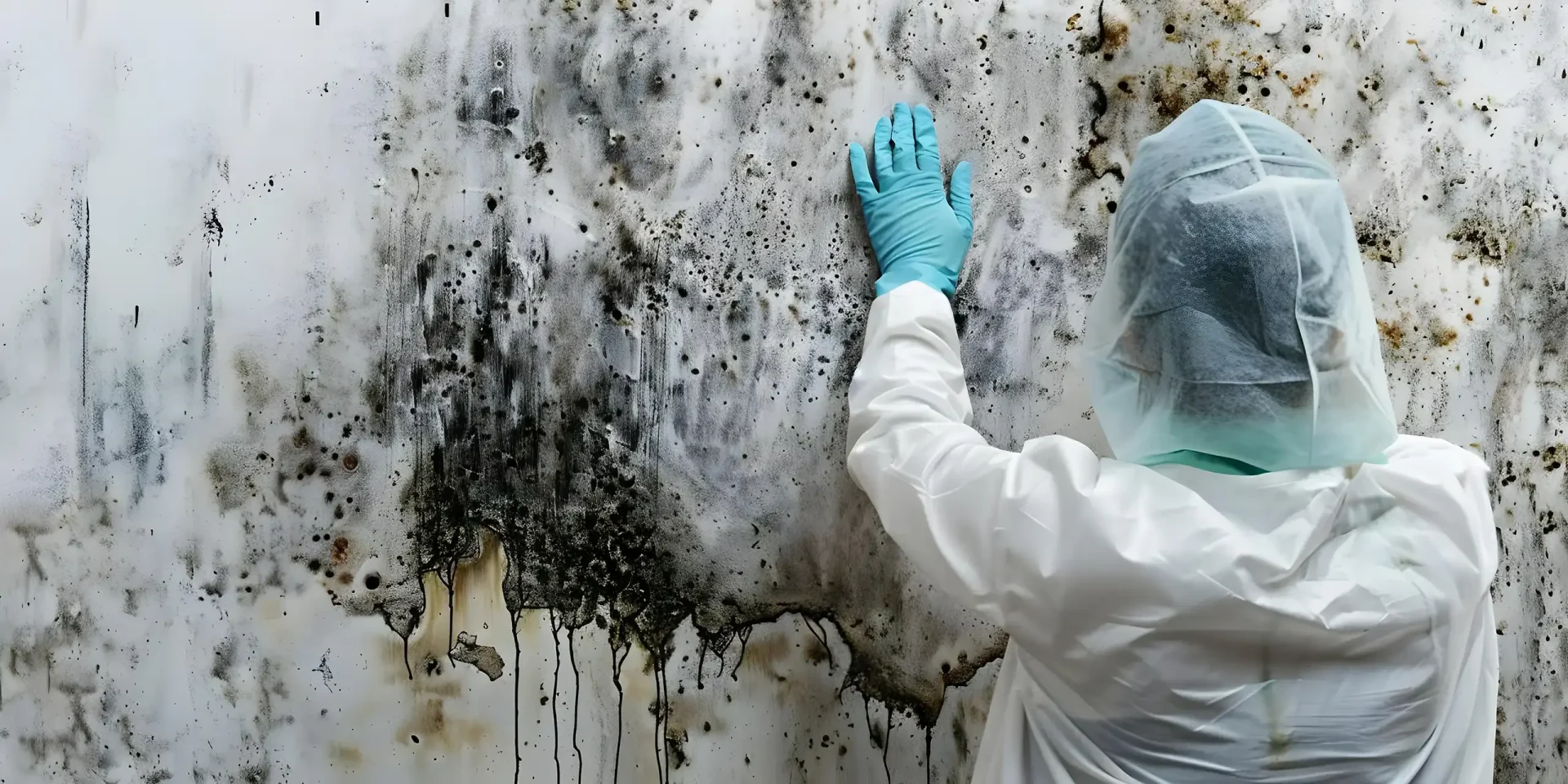
Most people think mold is only a problem during hot, humid seasons. But winter comes with its own set of moisture challenges especially in homes that stay tightly sealed to keep heat indoors. When warm indoor air meets cool surfaces, condensation forms, and that moisture can create the perfect environment for mold to grow quietly throughout the winter months. Understanding why mold appears even during colder weather, where it hides, and the steps you can take to prevent it can help protect both your home and your indoor air quality. For homeowners who experience mold at different times of the year, these seasonal mold prevention tips can also be helpful.
Why Mold Still Thrives in Winter
Even though outdoor humidity may be lower, mold can still grow in winter because certain indoor conditions encourage moisture buildup. Here’s why mold continues to spread during colder months:
Condensation from warm indoor air meeting cool surfaces – When heated indoor air touches cold windows, walls, or tile surfaces, moisture forms. These damp spots can support mold growth if they stay wet for long periods.
Poor ventilation in sealed homes – Homes are often closed tightly during winter to keep warmth inside. While this helps with comfort and energy efficiency, it also traps moisture, making it difficult for damp air to escape naturally.
Leaks or plumbing issues hidden by low usage – Slow leaks behind walls, under sinks, or around water heaters may go unnoticed during winter. Cooler temperatures and lower airflow create a perfect environment for mold to grow quietly inside building materials. These conditions help explain how mold grows indoors regardless of the season.
Common Areas for Winter Mold Growth
Winter mold tends to appear in places where warm indoor air meets cold surfaces or where moisture collects more easily.
Windows and sills – Condensation often collects along window edges and frames. Repeated dampness can lead to mold growth on wood, drywall, or caulking.
Bathrooms and kitchens – Steam from showers, baths, cooking, and dishwashing increases indoor humidity. When fans aren’t used regularly, moisture lingers and mold begins to develop.
Attics and crawlspaces – Poor insulation, roof leaks, and trapped humid air contribute to mold in these out-of-sight spaces. Winter storms and temperature changes also increase the risk.
Inside HVAC systems – Warm air passing through cold ducts, or condensation around vents, can create breeding grounds for mold during the winter.
Checking these areas regularly can help catch early signs of mold before it spreads.
Warning Signs of Winter Mold Problems
Homeowners often overlook early mold indicators, especially in winter when windows stay closed. Here are signs to watch for:
Persistent musty odor – A musty smell especially in basements, attics, or bathrooms—is often the first sign that mold is growing somewhere nearby.
Visible spotting near vents or corners – White, gray, green, or black spotting on walls, ceilings, or around HVAC vents could indicate mold activity. These areas are especially vulnerable when condensation forms.
Increased allergy symptoms in colder months – If you notice more sneezing, coughing, or congestion indoors during winter, mold may be contributing to poor air quality.
Addressing these signs early helps prevent larger issues later on.
Practical Steps to Prevent Mold in Winter
There are several simple steps homeowners can take to lower the risk of mold growth during the colder months:
- Use exhaust fans while cooking, showering, or running laundry appliances.
- Reduce indoor humidity by using dehumidifiers in basements or moisture-prone rooms.
- Increase ventilation open windows briefly on mild days or use ceiling fans to improve airflow.
- Wipe away window condensation as soon as it appears.
- Insulate cold surfaces like pipes and windows to reduce condensation formation.
- Check for leaks around plumbing, roofs, and foundations. Even small drips can cause mold when unnoticed.
- Clean HVAC filters regularly to prevent moisture buildup and improve air circulation.
These preventive steps help create an environment that is less favorable for mold growth.
Long-Term Prevention Tips
Some mold prevention strategies work best when maintained throughout the year:
- Improve insulation in attics, basements, and crawlspaces.
- Ensure proper roof and gutter drainage to keep water away from the home.
- Use mold-resistant materials in renovation projects, such as mold-resistant drywall or paint.
- Maintain healthy humidity levels—ideally between 30% and 50%.
- Schedule routine home inspections to identify potential moisture issues early.
Long-term prevention helps reduce the likelihood of mold becoming a recurring problem.
When to Call a Professional
Winter mold can be difficult to detect, especially when it grows behind walls or under flooring. You should contact a professional mold remediation team if you notice
- Visible mold patches or lingering odor – Persistent odor or visible mold growth usually indicates deeper contamination behind walls or under flooring.
- After flood or roof leak events – Winter storms can cause roof damage or water intrusion. Mold can begin growing in as little as 24 to 48 hours, even in cold weather.
- For professional moisture mapping and remediation – Experts use thermal imaging and moisture meters to locate hidden mold safely and accurately. If you’re unsure what to do first, you can also review the steps in what to do when you find mold to avoid making the problem worse.
A professional assessment ensures mold is removed correctly and future moisture problems are resolved.
Conclusion
Mold prevention in winter starts with understanding how moisture behaves inside your home during colder months. Condensation, poor ventilation, and hidden leaks all contribute to mold growth—often long before you see visible signs. Acting early and creating healthier indoor conditions can significantly reduce the risk.
If you suspect winter mold in your home or want a professional evaluation, contact Lightning Restoration today. Our team can inspect, diagnose, and safely remediate mold to help you maintain a clean, healthy living environment.