
Thermal Fogging vs. Ozone Treatment: Which Is Best for Smoke Odors?
After a fire, one of the most challenging parts of the cleanup is removing the smell of smoke. Smoke odor can settle deep inside walls, insulation, furniture, flooring, and even structural framing. It lingers long after the flames are out, and homeowners often search for the best way to eliminate it. Two common methods you may come across are thermal fogging and ozone treatment. While both are widely known, they work very differently and come with very different safety requirements. At Lightning Restoration, we use methods that protect homeowners, preserve property safety, and follow approved standards. This guide explains how thermal fogging and ozone treatment work, how they compare, and which option is genuinely safe for your home.
What Is Thermal Fogging?
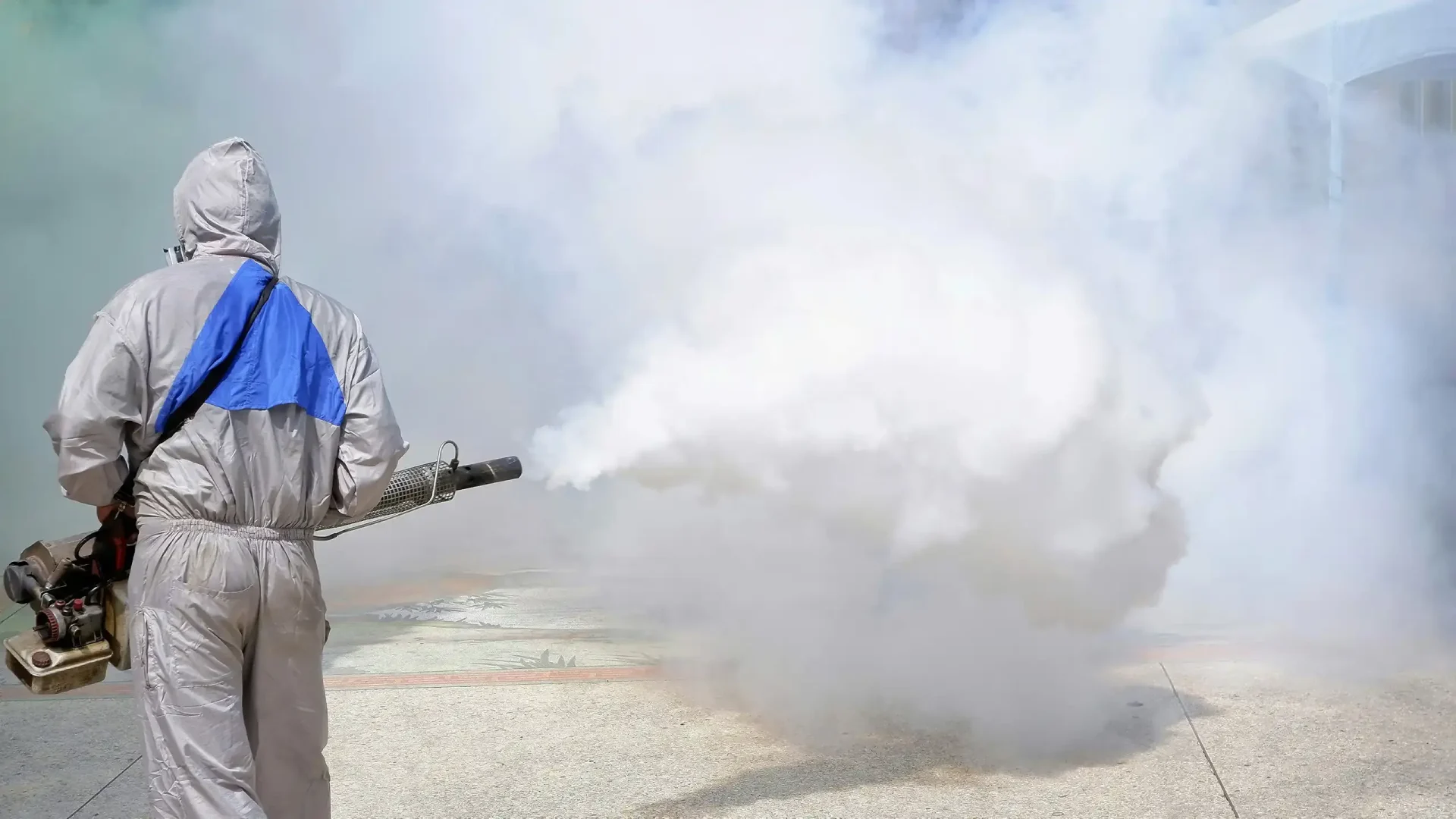
Thermal fogging is a deodorizing technique that uses heat to create a fine mist or “fog” of deodorizer. This fog behaves like smoke, allowing it to travel into the same cracks, pores, and hidden surfaces that the smoke originally reached.
How the Process Works
A specialized machine heats a deodorizing agent until it becomes a fog. The technician releases the fog into the affected space, allowing it to spread throughout the home. Because the fog moves like smoke, it helps address odors trapped inside carpeting, drywall, fabrics, and structural areas.
How It Neutralizes Odor Molecules
Thermal fogging doesn’t remove all odor sources. Instead, it masks or blends the odor by bonding with odor particles. It’s effective for controlling smoke smell, but it is not considered a complete odor-removal method on its own.
Best Suited For
Thermal fogging is often used in:
- Large, open spaces
- Homes where smoke has deeply penetrated porous materials
- Situations where odor is trapped in hard-to-reach places
While helpful, thermal fogging works best when combined with a more effective odor-removal method, especially after a severe fire.
What Is Ozone Treatment?
Ozone treatment uses machines that release ozone gas (O₃) into the air. Ozone oxidizes odor-causing molecules, breaking them down over time.
How It Works
Ozone attaches to airborne and surface-level odor compounds and alters them through oxidation. This process can be effective for specific types of fire odors, especially protein fires. To understand the concerns with ozone, you can read more about ozone treatment limitations.
Where It’s Appropriate
This part is critical:
- Ozone should only be used for protein fires.
- Protein fires occur when meat or other protein-based food burns.
- These fires produce a strong, sticky, persistent odor that behaves differently than odors from wood, plastics, or fabrics.
For all other fire types, safer and more effective options exist. Many homeowners also look for ozone safety concerns before deciding on odor treatment, and this is where professional guidance becomes important.
Important Safety Facts
Ozone is toxic to humans, pets, and plants. It can also damage rubber materials, electronics, gaskets, and certain plastics. Because of these risks:
- The space must be completely unoccupied
- No one can enter until ozone levels drop
- It is not safe for treated homes to be lived in during the process
Lightning Restoration follows strict guidelines and uses ozone only when appropriate and only after a full assessment.
Thermal Fogging vs. Ozone: Key Differences
1. Application Method
- Thermal Fogging: Uses heated deodorizer that mimics the movement of smoke.
- Ozone Treatment: Uses oxidizing gas released through an ozone generator.
2. Safety Precautions
- Thermal Fogging: Requires temporary evacuation but poses less risk when used properly.
- Ozone Treatment: Requires full evacuation and must never be used around people, pets, or plants due to toxicity.
3. Time Required
- Thermal Fogging: Usually completed within hours.
- Ozone Treatment: Requires longer application and additional downtime before re-entry.
4. Effectiveness
- Thermal Fogging: Helps control odor but masks it more than eliminating the source.
- Ozone Treatment: Breaks down odor molecules but is limited to specific situations due to safety concerns.
- Hydroxyl Treatment (Preferred Method): Lightning Restoration often uses hydroxyl generators, which are safe to operate in occupied spaces. Hydroxyl molecules change odors at a molecular level without harming people, plants, or materials. This makes hydroxyl the most effective and safest option in nearly all smoke odor cases.
Which One Is Best for You?
The best method depends on:
- The type of fire
- The depth of odor penetration
- The affected materials
- Whether the home is occupied
- Safety considerations
In most cases, hydroxyl treatment is the safest and most reliable approach. It works continuously, even while people remain inside the property. Thermal fogging may support the process, while ozone is reserved strictly for protein fires. If you are also dealing with structural repairs, this may be a good time to learn how Lightning Restoration handles restoring your home after fire damage in a safe, step-by-step way.
Why Professional Odor Removal Matters
Smoke odor removal is more complicated than it appears. Smoke travels far beyond the visible damage, embedding itself inside porous materials, wall cavities, insulation, HVAC systems, and structural framing.
Professional odor restoration matters because:
- DIY efforts often make the odor worse
- Ozone misuse can be dangerous
- Incorrect fogging can spread contamination
- Professionals know which treatment is appropriate
- Proper ventilation and safety steps are required
- A trained team follows state and national standards
Lightning Restoration evaluates the type of fire, the level of contamination, and the safest path forward before beginning any odor removal treatment.
Final Thoughts
Smoke odor can make a home feel unlivable long after a fire. While thermal fogging and ozone treatment both play roles in addressing smoke smells, they work in very different ways. Fogging helps with odor control, ozone is limited to protein fires, and hydroxyl treatment remains the safest and most effective option for most situations.
If you’re dealing with smoke odor after a fire and aren’t sure which treatment you need, contact Lightning Restoration today. We’ll help you choose the safest and most effective option for your home.