
Does Ozone Kill Mold in Homes? Everything You Should Know
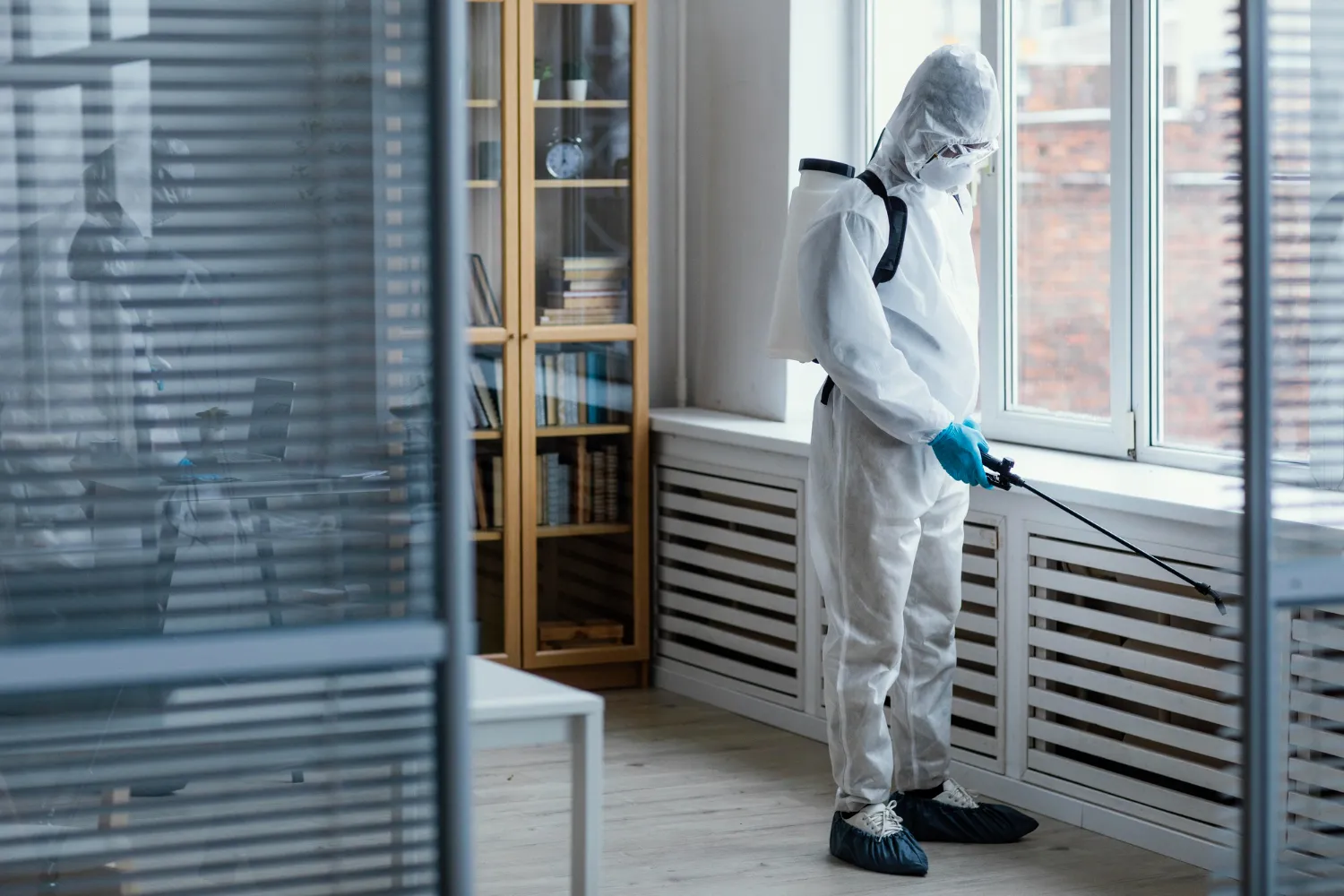
Mold is one of the most common and frustrating issues homeowners face in Florida’s humid climate. Beyond being unsightly, mold can trigger allergies, damage property, and create serious health concerns if not properly addressed. Many people wonder: does ozone kill mold in homes? The idea of using ozone generators as a quick treatment for mold often sounds appealing, but the reality is more complex.
At Lightning Restoration, we specialize in professional mold mitigation and want to clear up the confusion about ozone and mold. This guide explores how ozone works, its limitations, and the safest, most effective solutions for lasting mold removal.
What Is Ozone and How Does It Work?
Ozone (O₃) is a highly reactive gas made up of three oxygen atoms. It’s often marketed for cleaning and deodorizing because of its strong oxidizing properties. When ozone comes into contact with organic materials, it breaks down their molecular structure, which can neutralize odors and kill some bacteria or visible mold growth.
Because of this, ozone treatment for a house is sometimes advertised as a way to eliminate mold. But does it actually solve the problem at its core?
Is Ozone Effective in Treating Mold?
The short answer: no, ozone is not an effective solution for mold.
While ozone may damage mold growth on surfaces and reduce odors, it doesn’t fully eliminate mold spores or mycotoxins. Mold often grows deep inside porous materials like wood, drywall, or carpet, areas ozone simply cannot penetrate. So while homeowners may notice temporary visible improvements, the root problem remains.
If you’ve asked yourself, “can ozone kill mold?” or “do ozone generators kill mold?”, The truth is that ozone may kill some surface growth but does not provide complete or safe remediation.
Limitations of Ozone for Mold Remediation
- Ozone cannot penetrate deep into materials.Mold often grows beneath surfaces where ozone cannot reach.
- Viable vs. non-viable spores and mycotoxins.Ozone may damage spores, but it doesn’t eliminate spores dangerous byproducts like mycotoxins, which can still affect health. Spores and mycotoxins are just as harmful if they are viable or non-viable.
- Temporary effect vs. long-term solution.Ozone may mask odors temporarily but does not stop mold from returning and more importantly it doesn’t eliminate the spores or mycotoxins that actually cause health reactions.
- Safety concerns.High levels of ozone are harmful to humans, pets, and plants, causing respiratory irritation and other health risks. It will also deteriorate rubber materials, such as plumbing gaskets that are put in place to prevent leaks.
- Regulatory guidelines.The EPA and OSHA warn against unsafe ozone levels indoors, emphasizing that it should not be used as a mold removal solution.
This is why ozone mold remediation is not recommended by State & National Standards and trusted industry professionals.
Health Risks of Using Ozone Indoors
Using ozone indoors can create more harm than good. Exposure to high ozone levels can:
- Irritate lungs and worsen asthma or respiratory conditions.
- Damage rubber materials in the home.
- Harm pets, plants, and sensitive electronics.
- Create a false sense of security, delaying proper mold mitigation.
Instead of risking your health, it’s best to rely on proven, safe methods for mold removal.
Safe and Effective Alternatives to Ozone for Mold Remediation
If you’re looking for reliable treatment for mold, here are the best options:
- Professional mold remediation services.A certified mold removal company like Lightning Restoration uses advanced techniques and equipment to completely eliminate mold from your home. The techniques, equipment and procedures are those that are approved by the State and National ANSI approved standards. ANSI stands for the American National Standards Institute, a private nonprofit organization that coordinates the development of voluntary consensus standards for products, processes, systems, and services in the United States.
- HEPA filtration and air purifiers.These systems capture airborne mold spores, improving indoor air quality.
- Controlling humidity.Dehumidifiers and proper ventilation reduce moisture, preventing mold regrowth.
- EPA-approved cleaning products.Safe cleaning solutions target mold colonies without the dangers associated with ozone.
When (If Ever) Should You Use Ozone in Mold Treatment?
The answer is simple: never. Ozone may reduce odors but should not be considered a solution for mold mitigation. True mold remediation requires removing the source of moisture and physically eliminating mold growth by a removal process that includes mold spores and mycotoxins, something ozone cannot achieve.
Prevention Tips: Keeping Mold Out of Your Home
Preventing mold is far more effective than battling an outbreak. Here are a few tips:
- Repair leaks quickly to stop water intrusion.
- Keep indoor humidity levels below 50%.
- Use exhaust fans in bathrooms and kitchens.
- Schedule routine inspections with a trusted mold removal companylike Lightning Restoration.
For those looking into natural cures for mold exposure, focusing on prevention and air quality improvements often makes the biggest difference.
Final Thoughts
So, does ozone kill mold in homes? While ozone may reduce surface spores and odors, it is not a safe or permanent solution. Ozone mold remediation is ineffective and potentially harmful to your health.
The most reliable way to address mold is through professional mold mitigation. At Lightning Restoration, our team provides expert solutions tailored to your home, ensuring long-term protection and healthier indoor air.
If you suspect mold in your home, don’t risk your health with ozone generators. Contact the professionals at Lightning Restoration, your trusted mold removal company in Florida.