
The Most Common Places Mold Hides in Your Home (and How to Find It)
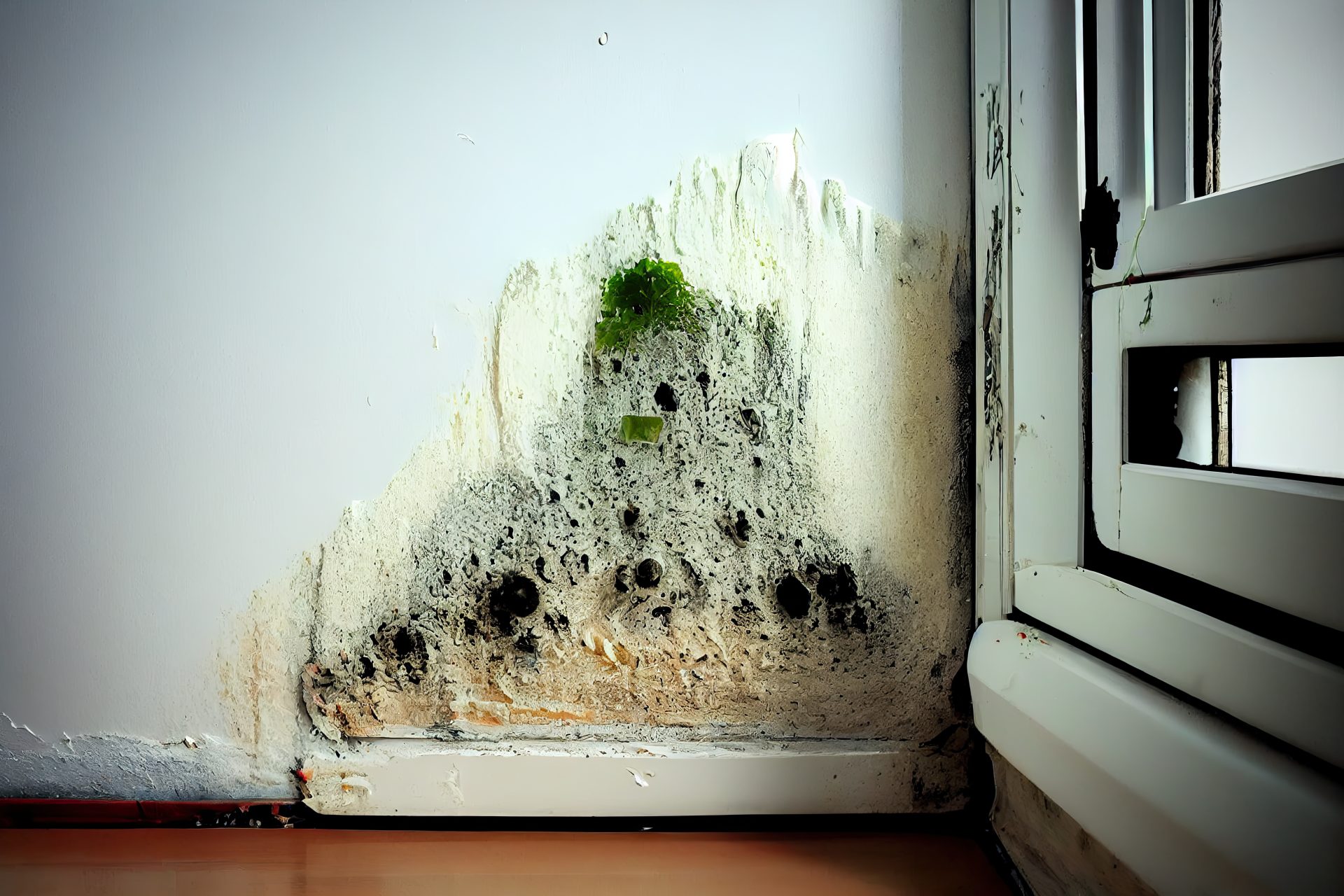
Mold can be a silent, lurking issue in homes, thriving in areas you might never think to look. It doesn’t just cause property damage — it can also pose serious health risks. While mold can grow anywhere with sufficient moisture, Tampa’s humid climate creates the perfect breeding ground for it to thrive. For homeowners in the area, staying vigilant is essential. Let’s explore the most common places mold hides in your home and how to uncover it before it becomes a larger problem.
Section 1: Common Mold Hiding Spots in Homes
1. Bathrooms
Bathrooms are a hotspot for mold due to their frequent exposure to moisture and lack of proper ventilation.
- Where to look:
- On the base of the walls, especially near toilets or showers.
- Under sinks where water can pool unnoticed.
- Around the edges of bathtubs and shower enclosures.
- Causes:
- Leaking around shower walls or cracked grout in shower tile.
- Poor ventilation or the absence of an exhaust fan.
- Leaky faucets or pipes that keep areas consistently damp.
2. Kitchens
Your kitchen may be spotless on the surface, but mold can grow in places that often go unnoticed.
- Where to look:
- Under the sink where minor leaks may create damp conditions.
- Behind large appliances like refrigerators and dishwashers.
- Around windows or countertops where water spills may occur.
- Causes:
- Leaky plumbing.
- Residual moisture from food preparation or spills.
- Deteriorated grout lines on countertop backsplash.
3. Crawl Spaces
These areas are particularly prone to mold growth due to their dark, damp nature.
- Where to look:
- On concrete walls, wooden beams, and insulation.
- Near windows or foundation cracks where water may seep in.
- On the floor, especially in areas with poor drainage.
- Causes:
- Flooding or water leaks.
- High humidity levels.
- Lack of proper waterproofing or drainage systems.
4. Attics
While often overlooked, attics can harbor mold that spreads unnoticed for months.
- Where to look:
- On roof sheathing, rafters, and around vents.
- In corners where condensation may form.
- Near areas with poor insulation or ventilation.
- Causes:
- Leaky roofs allowing rainwater to enter.
- Improper airflow leading to trapped moisture.
- AC ducts not properly installed in the attic space.
5. HVAC Systems
Your heating, ventilation, and air conditioning (HVAC) system can spread mold spores throughout your home.
- Where to look:
- Inside ducts, especially in areas with condensation buildup.
- On air filters that haven’t been changed regularly.
- Around drip pans that may be collecting water.
- Causes:
- Neglected maintenance leading to dirt and moisture buildup.
- Poor drainage or leaks in the system.
- Neglected clearing of the drainline system.
Section 2: How to Find Hidden Mold in These Areas
1. Use Your Senses
Your eyes, nose, and even touch can be your first line of defense in spotting mold:
- Visual clues: Look for discoloration or spots on walls, ceilings, and floors. Mold can appear black, green, white, or even pink, depending on the type.
- Smell: A musty, earthy odor is often a telltale sign of hidden mold.
- Touch: Feel for damp or soft areas on walls, carpets, or wood.
2. Tools and Techniques
For hard-to-spot mold, you may need some simple tools to help you investigate:
- Flashlight: Use it to illuminate dark corners, such as under sinks or behind appliances.
- Moisture meter: This device measures the moisture content of walls and floors, helping you pinpoint areas at risk of mold growth.
- Mold Testing: Hire a third-party, State licensed Mold Assessor to perform testing, if you have concerns.
3. When to Call a Professional
If you suspect a widespread mold issue or are unable to locate the source, it’s time to call a professional mold removal service provider. They have specialized tools like thermal imaging cameras and air quality testers to identify hidden mold and assess the extent of the problem.
Conclusion
Don’t let hidden mold compromise your health or your home’s safety. If you suspect mold is lurking in your home, Lightning Restoration is here to help. With expert mold removal services in Tampa and nearby areas, we’ll ensure your space is clean, safe, and mold-free.
Call us today to schedule your inspection and take the first step toward a healthier home!