
How to Safely Remove Debris After a Severe Storm in Florida
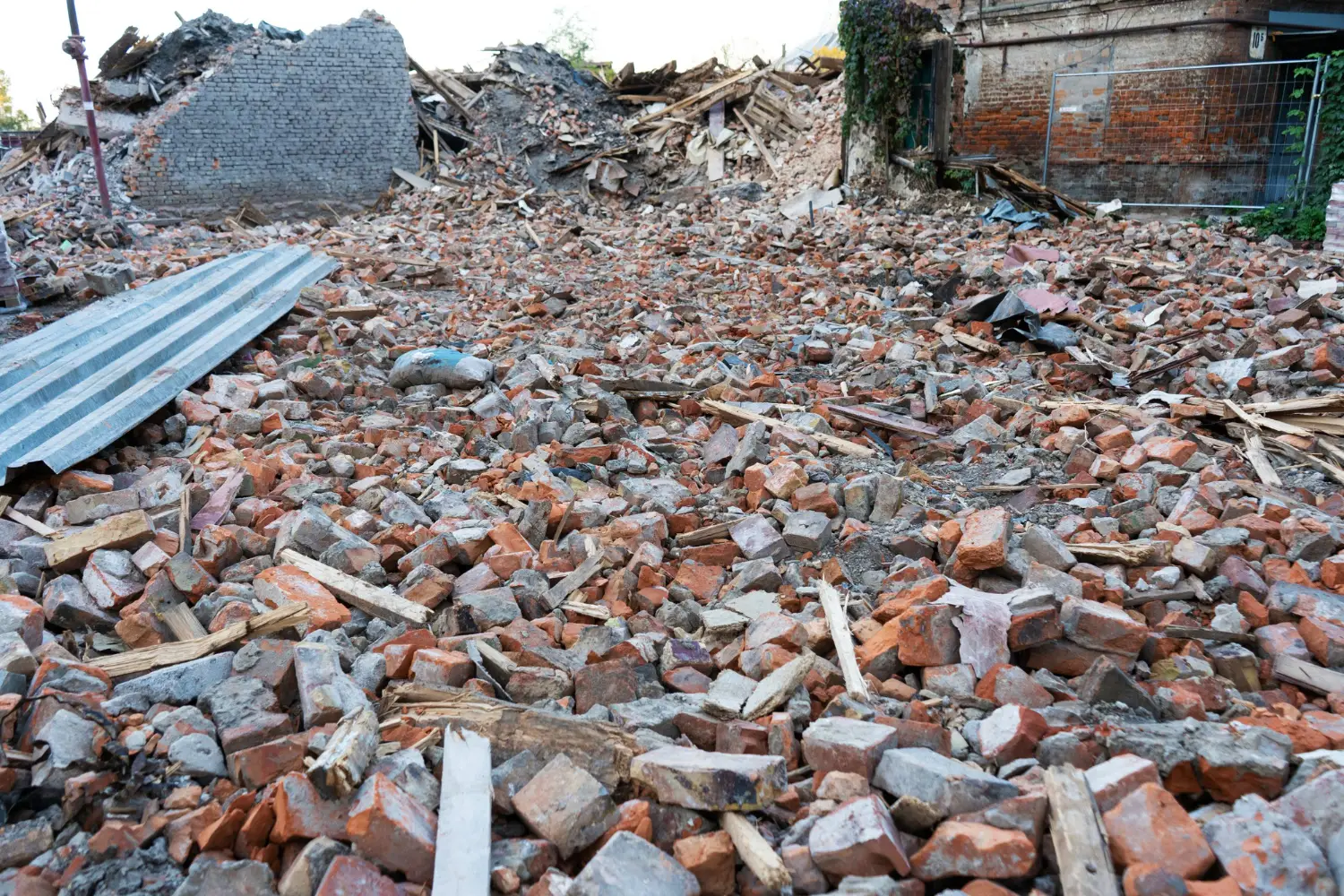
Florida’s location along the coast makes it highly vulnerable to severe weather, with powerful hurricanes and tropical storms that can cause widespread damage. In the aftermath of a storm, you might find your property cluttered with broken branches, scattered roof shingles, fallen trees, and other debris. While your first instinct may be to start cleaning up, storm debris removal requires careful planning and safety precautions.
This guide will walk you through practical steps to safely remove debris after a severe storm, ensuring you, your family, and your property are protected.
1. Assess the Damage First
Before touching anything, take time to assess the extent of damage around your property. Florida storms often leave hazards like downed power lines, unstable trees, or damaged structures. Walk around your property to get a sense of the cleanup required and note potential hazards that need specialized assistance. Remember, that people are not the only ones disturbed by a storm. Animals, such as snakes and alligators are moving around and can be aggressive during stressful times.
Key Points to Remember:
- Stay Alert for Power Lines: Downed lines may still be live. Call your local power company to report any downed lines before moving debris.
- Avoid Standing Water: Standing water could contain contaminants or electrical hazards if submerged power lines are nearby. Use caution if your yard is flooded.
2. Prioritize Personal Safety Equipment
When dealing with storm debris, it’s essential to protect yourself with the right safety gear. Heavy-duty gloves, sturdy boots, and safety goggles are a must, as debris can contain sharp objects, nails, or broken glass. If you’re cutting down large branches or dealing with heavy items, consider wearing a helmet to protect yourself from falling objects.
What You’ll Need:
- Gloves to avoid cuts and scrapes
- Safety goggles to protect your eyes from dust and flying debris
- Heavy-duty boots with slip-resistant soles
- A sturdy helmet for protection if handling large trees or branches
3. Clear Paths and Walkways First
To make your cleanup efficient, start by clearing any walkways or entry points to your home. This will provide a safe way to move between areas as you continue to clear larger debris around the yard. Move lightweight items like small branches or leaves aside, making sure your pathways are free of hazards.
Quick Tips:
- Remove loose leaves, branches, or other small debris from walkways first.
- Create designated piles for different types of debris, such as wood, metal, or recyclable materials. This will simplify disposal later.
4. Handle Hazardous Debris Carefully
Storm debris can include a variety of materials that need careful handling. Sharp objects like broken glass or jagged wood, and heavier items like fallen trees or large branches, require extra care. Florida’s warm, humid climate can also attract insects and pests to storm debris, so be cautious when moving piles of wood or leaves.
Steps for Handling Hazardous Materials:
- Use tools like rakes or shovels to lift potentially dangerous debris instead of using your hands directly.
- If dealing with large tree limbs or uprooted trees, consider hiring a professional tree service, as they have specialized equipment and expertise for safe removal.
- Wrap broken glass and other sharp objects securely before disposing of them.
5. Separate Recyclable and Non-Recyclable Debris
Many communities in Florida have recycling programs that handle storm debris. Separate organic materials like wood and leaves from metals, plastics, and other recyclable materials to streamline the disposal process.
How to Organize Your Debris:
- Pile branches, leaves, and other organic materials together for green waste collection.
- Place metals, glass, and other recyclables in a separate pile for appropriate disposal.
- Keep hazardous materials (such as gasoline or paint cans) in a third pile, as these require special handling.
6. Use Caution When Operating Power Tools
Chainsaws, power cutters, and other equipment can be incredibly helpful for clearing larger debris but also come with inherent risks. If you’re new to using these tools, consider hiring professionals to handle any significant cutting or removal tasks.
Power Tool Safety Tips:
- Read the user manual for your chainsaw or other tools before using them.
- Always wear protective gear when operating machinery.
- Take breaks to avoid fatigue, as operating power tools when tired can lead to accidents.
7. Contact Professional Help When Needed
While it might be tempting to tackle all the debris yourself, Florida storm debris cleanup can be overwhelming, especially if large trees are involved or if your property suffered extensive damage. Local storm cleanup services or tree removal specialists have the equipment and skills to manage debris quickly and safely. Moreover, many insurance policies cover the cost of debris removal after severe weather events, so check with your insurer for guidance.
When to Call in the Pros:
- If there are large trees that require removal or trimming
- If hazardous materials are present that need specialized disposal
- If downed power lines or structural damage is evident
8. Dispose of Debris Responsibly
Florida’s waste disposal rules vary by county, so check local guidelines to determine how to properly dispose of your storm debris. Many communities offer free or reduced-cost debris collection after severe weather events, but some materials (like hazardous waste) may need to be taken to specific disposal sites.
Local Disposal Tips:
- Check your county’s website for specific instructions on storm debris disposal.
- Take advantage of community debris pickup days.
- Contact your local waste management service for information on hazardous waste disposal sites.
9. Prevent Future Damage with Strategic Landscaping
Once cleanup is complete, consider ways to prevent future storm damage. Strategic landscaping choices, such as planting wind-resistant trees and trimming large branches, can minimize storm debris in the future. Some cities and counties in Florida offer programs or grants to help residents invest in resilient landscaping.
Suggestions for Storm-Resistant Landscaping:
- Choose native, wind-resistant plants that are less likely to be uprooted.
- Trim trees regularly to remove weak branches.
- Remove any dead or diseased trees to reduce the risk of fallen trees during storms.
Final Thoughts
After a severe storm, handling debris safely and effectively can be overwhelming—especially when dealing with large trees, hazardous materials, or potential structural damage. Don’t risk injury or stress yourself out with the daunting cleanup alone. Contact Lightning Restoration, Florida’s trusted restoration company. Our expert team has the experience, tools, and local knowledge needed to restore your property safely and efficiently.
Let Lightning Restoration handle the heavy lifting so you can focus on what truly matters. Reach out today and get your property back to normal with peace of mind.