
5 Signs of Mold in Air Ducts: A Homeowner’s Guide
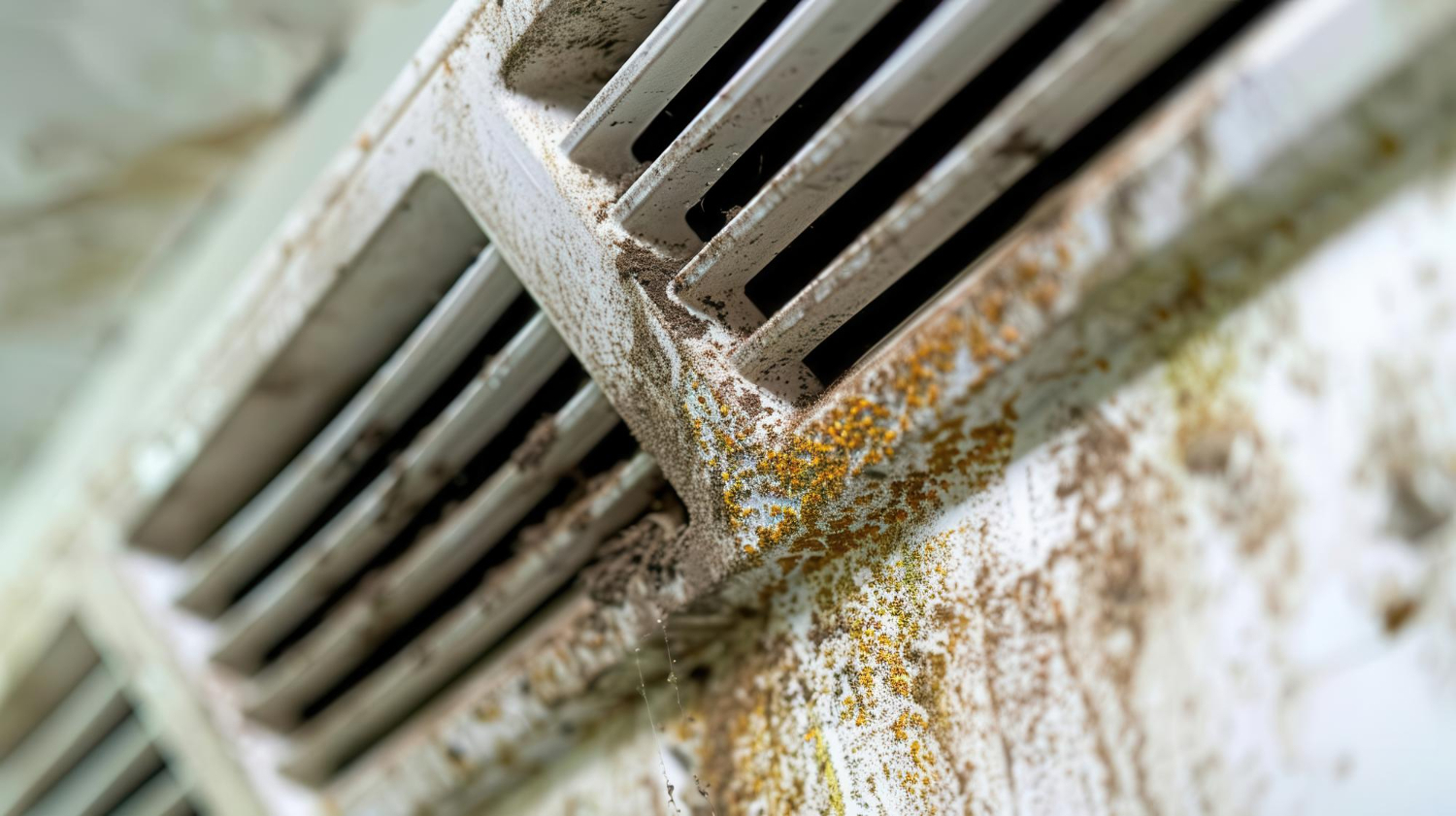
Mold in air ducts is a common but often hidden problem that directly affects indoor air quality and health. In Florida homes, high humidity and constant air conditioning create ideal conditions for mold growth inside HVAC systems.
If left untreated, mold in air ducts can circulate spores throughout your home, trigger health symptoms, and reduce HVAC efficiency. This guide explains the five most reliable signs homeowners should never ignore.
Why Mold Grows in Air Ducts in Florida Homes
Mold thrives where moisture, darkness, and organic material exist. Florida heating and cooling systems run year-round, creating condensation inside ductwork, AC coils, and air handlers.
Once moisture collects, mold in HVAC systems can develop in as little as 24 to 48 hours.
1. Persistent Musty Odors From Vents
A musty or earthy smell when the AC runs is one of the earliest signs of mold in air ducts.
This odor is caused by microbial volatile organic compounds released by active mold growth. If the smell returns after cleaning or airing out your home, the source is likely inside the ductwork.
This is especially common with mold in AC ducts during Florida’s humid seasons.
2. Visible Mold or Dark Residue Inside Vents
If you can see dark spots or discoloration around vents, mold may already be established.
Homeowners often ask what does mold look like in air ducts. It usually appears as:
- Black, green, or brown patches
- Dust-like buildup that smears when wiped
- Growth around vent edges or inside returns
Early stage signs of black mold in air vents should never be ignored.
3. Allergy or Respiratory Symptoms Indoors
Unexplained health symptoms can indicate mold in air ducts.
Common symptoms of mold in air ducts include:
- Sneezing or nasal congestion
- Persistent coughing
- Throat or eye irritation
- Headaches or fatigue
- Skin rashes
If symptoms improve when you leave the home, airborne mold exposure is a likely cause.
4. Rising Energy Bills and Poor Airflow
Mold buildup restricts airflow and forces HVAC systems to work harder.
When mold develops inside ductwork or on AC coils, it:
- Blocks air movement
- Reduces cooling efficiency
- Increases runtime and energy costs
Mold on AC coils is a frequent cause of poor performance in Florida homes.
5. Excess Dust or Debris From Air Vents
Mold often travels alongside dust and debris through the HVAC system.
If you notice:
- Dust accumulating quickly after cleaning
- Dark particles blowing from vents
- Weak airflow from registers
You may be dealing with mold in the HVAC system that requires professional attention.
What To Do If You Suspect Mold in Your Air Ducts
Do not attempt DIY HVAC mold treatment. Improper cleaning can spread spores.
Instead:
- Stop running the system if odors are strong
- Avoid disturbing visible growth
- Schedule professional HVAC mold cleaning
- Address moisture sources immediately
Certified restoration water damage experts and mold professionals use containment, HEPA filtration, and proper antimicrobial treatments.
Why Professional HVAC Mold Cleaning Matters
AC mold cleaning requires specialized equipment and training.
Professional HVAC mold treatment includes:
- Moisture detection
- Duct and coil inspection
- Source removal
- Safe antimicrobial application
- Prevention planning
This protects both air quality and system longevity.
Frequently Asked Questions About Mold in Air Ducts
1. How dangerous is mold in air ducts?
Mold can worsen asthma, allergies, and respiratory conditions, especially in children and seniors.
2. Can mold in air ducts spread throughout the house?
Yes. HVAC systems circulate spores into every room when running.
3. Is mold in AC ducts common in Florida?
Yes. High humidity and frequent AC use make Florida homes high-risk.
4. Can I clean mold from air ducts myself?
No. DIY methods often spread spores and worsen contamination.
5. How often should air ducts be inspected for mold?
Homes in humid climates should be inspected every one to two years.
Final Thoughts
Mold in air ducts is a serious indoor air quality issue that requires fast action. Early detection protects your health, improves HVAC efficiency, and prevents costly repairs.
If you suspect mold in air ducts, mold on AC coils, or need professional AC mold cleaning, contact Lightning Restoration for expert inspection and remediation.