
Storm Damage Restoration Near You: How to Choose a Trusted Local Contractor After a Disaster
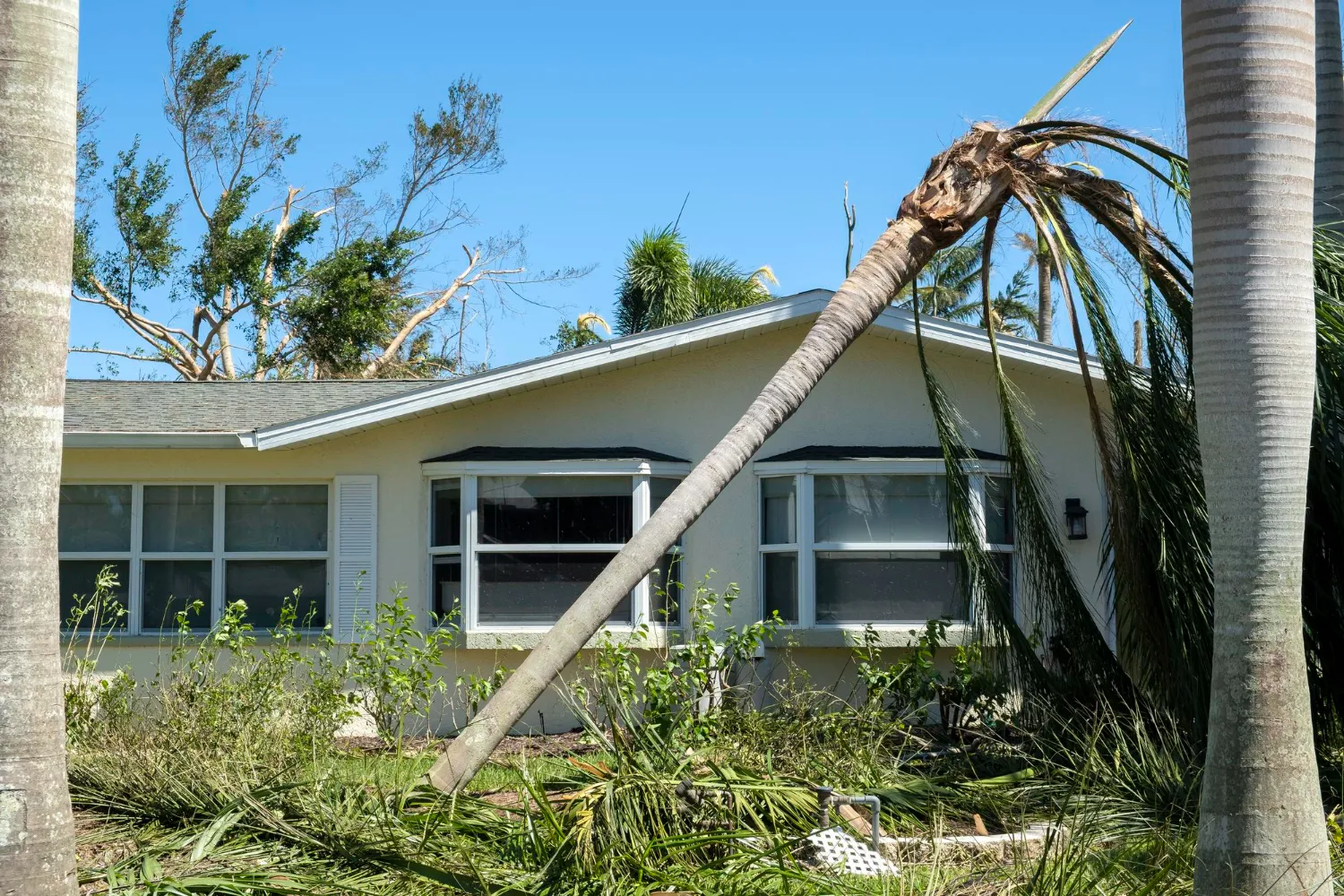
When a storm hits, you need answers fast. Storm Damage Restoration isn’t just about repairs, it’s about protecting your home, your health, and your finances. In the first hours after a disaster, the right local contractor can prevent further damage, help with insurance claims, and restore peace of mind. This guide shows you exactly how to choose a trusted restoration expert near you.
Why Storm Damage Restoration Requires Immediate Action
Storms can cause hidden damage. What looks minor can quickly escalate.
Delaying repairs can lead to mold growth, structural issues, and denied insurance claims. According to industry experts, water intrusion left untreated for 48 hours can increase restoration costs by up to 40%.
Acting fast protects your property and your wallet
What Does a Storm Damage Restoration Contractor Actually Do?
A professional restoration contractor handles more than cleanup.
They provide end-to-end recovery services, including:
- Emergency storm repair and board-up
- Water damage restoration and structural drying
- Roof tarping and temporary weatherproofing
- Mold remediation and air quality control
- Assistance with insurance claim documentation
A reputable local company coordinates these services seamlessly.
How to Choose a Trusted Local Storm Damage Restoration Contractor
1. Prioritize Local Experience
Local contractors understand regional storm patterns and building codes.
They can respond faster and are accountable to the community. Fly-by-night operators often disappear once paid.
2. Verify Licensing, Insurance, and Certifications
Never skip this step.
A trusted contractor should have:
- State licensing
- General liability and workers’ compensation insurance
- IICRC or equivalent restoration certifications
Ask for proof. Professionals expect it.
3. Look for 24/7 Emergency Response
Storm damage doesn’t wait for business hours.
Choose a company that offers 24/7 emergency storm restoration with rapid on-site assessment.
4. Check Reviews and Real-World Results
Online reviews reveal patterns.
Look for consistent praise around:
- Response time
- Communication
- Insurance support
- Quality of repairs
A strong local reputation is a trust signal.
Red Flags to Avoid After a Storm
After disasters, scams increase.
Avoid contractors who:
- Demand full payment upfront
- Refuse written estimates
- Pressure you to sign immediately
Trusted restoration experts focus on solutions, not shortcuts.
Insurance Claims: Why Your Contractor Matters
An experienced restoration contractor can simplify claims.
They document damage, provide itemized estimates, and speak the insurer’s language. This often results in faster approvals and fewer out-of-pocket costs.
Many homeowners recover thousands more simply by choosing the right contractor.
Why Homeowners Trust Lightning Restoration
Homeowners across Florida rely on Lightning Restoration because they combine speed, expertise, and transparency.
Their team specializes in:
- Hurricane and severe storm recovery
- Water extraction and drying
- Mold prevention and remediation
- Insurance claim support from start to finish
Local expertise makes a measurable difference when every hour counts.
Expert Insight: What Restoration Pros Recommend
“Always secure the structure first,” says a hypothetical IICRC-certified restoration specialist. “Stopping water intrusion within the first 24 hours is the single most important factor in reducing long-term damage.”
That’s why immediate assessment and mitigation matter.
Frequently Asked Questions
1. How soon should I start storm damage restoration?
Immediately. The first 24–48 hours are critical to prevent mold and structural damage. Interview the restoration companies before the storm. understand the process and pricing ahead of time.
2. Can I choose my own storm damage restoration contractor?
Yes. You are not required to use your insurer’s preferred vendor.
3. Will insurance cover storm damage restoration?
Most policies cover storm-related damage, but coverage varies. Proper documentation is key.
4. What’s the difference between storm cleanup and restoration?
Cleanup removes debris. Restoration repairs, dries. Apply EPA registered sanitizers and disinfectants, and rebuilds damaged areas.
Final Thoughts:
Storm Damage Restoration is not a decision to rush, but it is one to act on quickly. Choosing a trusted local contractor ensures faster recovery, fewer complications, and better outcomes.
If your home has been impacted by a storm, don’t wait. Contact a proven local expert today and start restoring your property the right way.