
How Florida’s Weather Affects Mold Growth in Homes
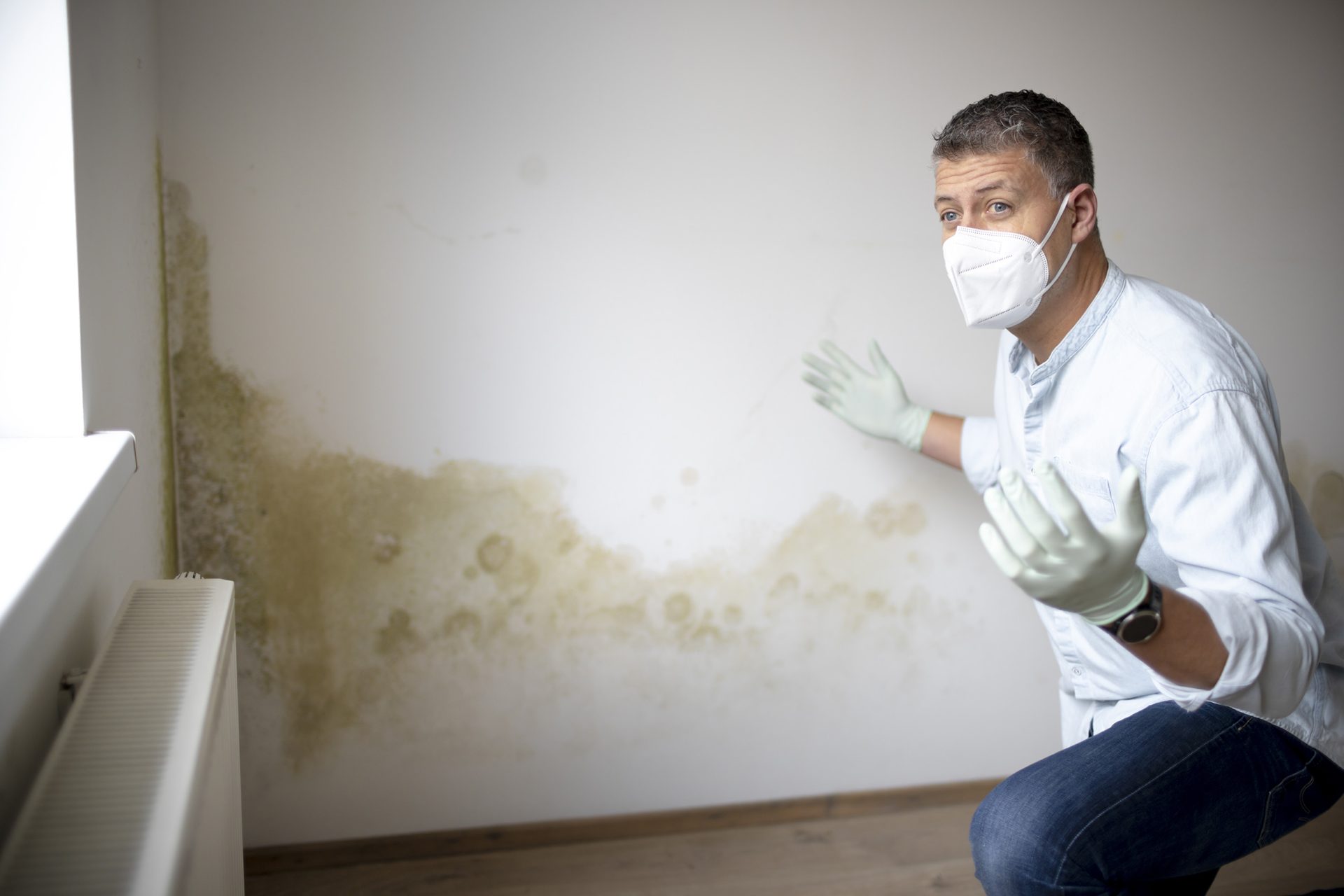
Florida’s climate is a perfect storm for mold growth. With high humidity, frequent rain, and intense storms, particularly in Tampa, homeowners face constant challenges in keeping mold at bay. The state’s warm and moist conditions create an ideal environment for mold to thrive, making it a year-round concern. Understanding how different seasons impact mold growth can help homeowners take proactive measures to protect their homes.
Section 1: How Florida’s Weather Impacts Mold Growth
Summer in Florida
Conditions:
- Hot and humid, with average humidity levels exceeding 70%.
- Frequent afternoon thunderstorms add excess moisture to the air.
Impact on Mold Growth:
- Warm temperatures combined with high humidity accelerate mold development.
- Bathrooms, kitchens, basements, and poorly ventilated spaces are particularly vulnerable.
- HVAC systems can spread mold spores if not maintained properly.
Rainy Season (Hurricane Season: June – November)
Conditions:
- Heavy rainfall, hurricanes, and potential flooding.
- Storm damage often leads to leaks and water intrusion.
Impact on Mold Growth:
- Water-soaked materials like drywall, carpets, and furniture become prime breeding grounds for mold.
- Mold can start growing within 24-48 hours after water exposure.
- Flooded homes often require professional mold remediation due to deep water penetration.
Winter in Florida
Conditions:
- Cooler temperatures but still relatively humid compared to other states.
- Temperature differences cause condensation on windows and walls.
Impact on Mold Growth:
- Mold growth slows but doesn’t stop due to persistent humidity.
- Condensation on windows, doors, and poorly insulated walls can lead to localized mold problems.
- Lack of proper ventilation during colder months can trap moisture indoors.
Section 2: Preventing Mold Growth in Florida’s Climate
Summer Tips:
- Use air conditioning to regulate indoor temperature and humidity.
- Install dehumidifiers in high-risk areas like basements and crawl spaces.
- Check for leaks around windows, doors, and roofs after thunderstorms.
- Clean and maintain HVAC systems to prevent mold buildup.
Rainy Season Tips:
- Perform routine roof and gutter inspections to prevent water pooling.
- Act quickly after flooding—dry out water-logged areas immediately.
- Use mold-resistant materials in vulnerable parts of the home.
- Invest in waterproof sealants for doors, windows, and basements.
Winter Tips:
- Seal and insulate windows to reduce condensation.
- Maintain proper airflow and ventilation, especially in bathrooms and attics.
- Monitor indoor humidity levels with a hygrometer, keeping them below 50%.
- Use exhaust fans in moisture-prone areas like kitchens and bathrooms.
Conclusion
Florida’s weather conditions make mold prevention a year-round necessity, especially in humid regions like Tampa. By understanding how each season contributes to mold growth and taking proactive steps, homeowners can reduce risks and maintain a healthier living environment. Regular maintenance, proper ventilation, and timely moisture control can prevent costly mold damage and protect indoor air quality. If mold issues persist, seeking professional help is essential to ensure thorough remediation and long-term prevention.
Don’t let mold take over your home! If you’re dealing with mold issues, contact our expert mold removal team in Tampa today. We provide fast, effective, and thorough mold remediation services to keep your home safe and healthy.